
Industry
Packaging for Grain and Animal Feed Sacks
Sack cargo is one of the clearest cases for palletless handling. The load is uniform, the tiers are regular, and removing the pallet frees real height in every container.
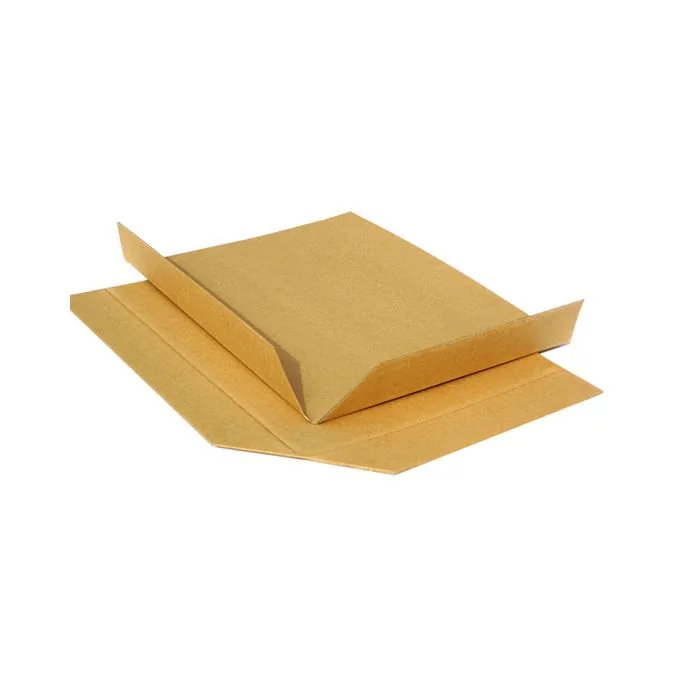
The problem
Grain and feed sacks are handled in high volume and in whole tiers, so the base sheet has to survive repeated gripping and pulling without tearing at the lip.
What matters here
Specification Points for This Cargo
Lip strength
The lip takes the full pull of the attachment. Board grade and lip width are selected against your bag weight, not against a standard specification.
Regular tiers
Uniform sack patterns can simplify slip sheet conversion, with the sheet cut to the layer footprint.
Container height
Removing a conventional pallet from the load can free vertical space in the container, depending on the pallet type and loading plan.
Dust and residue
HDPE can be cleaned more readily than paper where feed dust and residue are present.
Specification
Typical Specification for This Cargo
A starting point, not a fixed answer. Final values are confirmed against your own load before quotation.
| Item | Guidance for this cargo |
|---|---|
| Typical sheet size | Matched to the sack layer, commonly 1000×1200 mm or 1200×1200 mm depending on the bagging pattern. |
| Board grade | Selected against sack weight. 25 kg sacks and 50 kg sacks call for different grades — the difference matters at the lip. |
| Lip width | Wider lips spread the gripper load and reduce tearing on heavy tiers. Width is set with your attachment, not assumed. |
| Reuse | Feed dust and residue can limit reuse of paper sheets. HDPE can be evaluated where sheets return for reuse. |
| What to send us | Sack weight, sacks per tier, number of tiers, and the attachment model at both ends of the lane. |
See also all industries or compare the full product range.
Send Your Cargo Details
Cargo dimensions, load weight, pallet size and handling equipment are enough for us to recommend a specification and quote from the factory.